
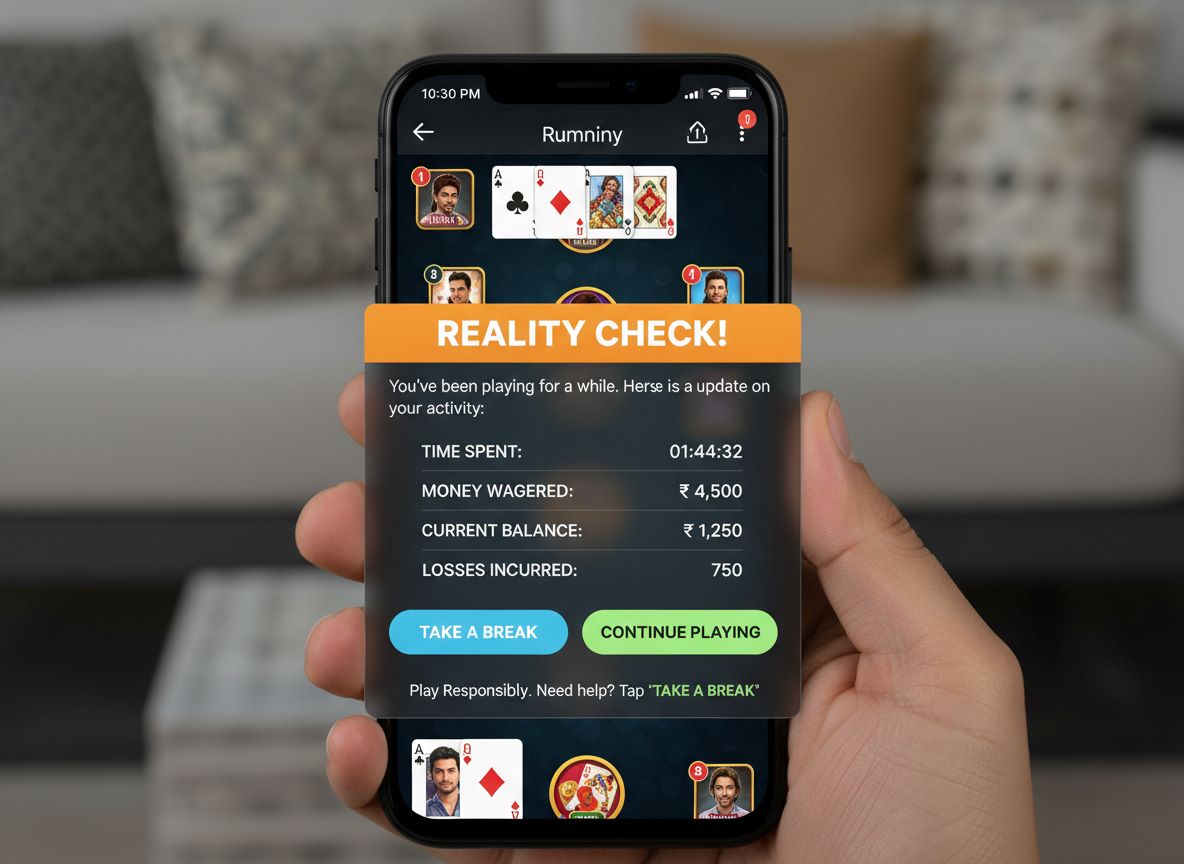
Reality check reminders are essential safety tools that help Indian players maintain control over their gambling activities across online casinos, rummy platforms, and fantasy sports apps. These automated pop-up notifications display crucial session information including time spent playing, money wagered, current balance, and losses incurred, prompting players to make conscious decisions about continuing or taking a break. As real-money gaming popularity surges in India through UPI betting apps and diverse gaming platforms, these reminders serve as vital checkpoints against excessive play and potential addiction risks.
The gambling landscape in India varies significantly across states and platforms, with different legal frameworks governing skill-based games like rummy and fantasy sports versus chance-based casino games. While regulations remain fragmented, reality check reminders offer universal benefits for responsible gaming regardless of platform or location. This comprehensive guide provides practical step-by-step instructions for setting up these crucial safeguards, along with best practices tailored specifically for Indian players navigating the complex world of online gambling and real-money gaming apps.
What Are Reality Check Reminders and Why Indian Players Need Them
Reality check reminders function as automated interruptions during gambling sessions, displaying pop-up messages that break the flow of gameplay to present players with current session statistics. These tools track elapsed playing time, total amounts wagered, net wins or losses, and remaining account balance, encouraging players to pause and evaluate their gambling behavior objectively. The primary purpose is to combat the time distortion and immersive nature of digital gambling that can lead to extended sessions beyond intended limits.
For Indian players, these reminders are particularly valuable given the country’s high smartphone penetration and the proliferation of diverse gaming apps available through multiple platforms. The voluntary nature of these tools aligns with the current regulatory environment where comprehensive responsible gambling frameworks are still developing. Despite legal ambiguities surrounding different forms of gambling in various states, reality checks provide consistent protection across all platforms.
The smartphone-centric gaming culture in India, combined with easy payment options like UPI and instant deposits, creates an environment where sessions can easily extend beyond planned durations. Reality check reminders serve as crucial circuit breakers in this context, helping players maintain awareness of their gambling behavior and make informed decisions about continuing play.
| Reality check type | What the reminder shows | Typical interval options | How it helps Indian players |
|---|---|---|---|
| Time-based alerts | Session duration, current balance, total wagered | 15, 30, 60, 120 minutes | Prevents marathon sessions common with mobile gaming |
| Loss-based notifications | Net losses, percentage of deposit lost, win/loss ratio | ₹500, ₹1000, ₹2000 loss thresholds | Protects against chasing losses with UPI instant deposits |
| Spend-based reminders | Total amount wagered, average bet size, session cost | ₹1000, ₹3000, ₹5000 wagered amounts | Maintains bankroll discipline across diverse app ecosystems |
| Win streak alerts | Current winnings, profit margin, suggested withdrawal | ₹2000, ₹5000, ₹10000 profit levels | Encourages profit-taking before variance reversal |
| Daily session warnings | Number of sessions today, cumulative time, total daily spend | 2nd, 3rd, 4th session of the day | Prevents multiple short sessions from accumulating excessive play |
How Reality Checks Work Behind the Scenes
Reality check systems operate through continuous background monitoring of player activity, tracking session start times, bet amounts, game outcomes, and account balance changes in real-time. When predetermined thresholds are reached—whether time-based, spending-based, or loss-based—the system automatically generates and displays a pop-up reminder that interrupts gameplay. This reminder typically includes a summary of session statistics, elapsed time since the last break, and options to continue playing, take a break, or access additional responsible gambling tools.
The technical implementation ensures that these reminders don’t interfere with game mechanics, random number generation, or return-to-player percentages. The interruption is purely informational and behavioral, designed to break the psychological flow state that can lead to prolonged gambling sessions. Most platforms store this data locally on the device or in user accounts, allowing for consistent tracking across multiple sessions and devices.
Advanced systems may incorporate machine learning algorithms to detect unusual spending patterns or extended session durations compared to a player’s historical behavior. These personalized alerts can provide more relevant warnings based on individual gambling patterns, making them more effective for maintaining responsible gambling habits among Indian players who may use multiple platforms simultaneously.
Benefits and Limitations for Indian Gamblers
- Enhanced time awareness: Combat the common tendency to lose track of time while gaming on smartphones, especially during commutes or late-night sessions
- Financial control: Maintain budgetary discipline across multiple platforms and payment methods, crucial given the ease of UPI transactions
- Tilt prevention: Recognize emotional states that lead to poor decision-making, particularly important in skill-based games like rummy and poker
- Session planning: Encourage pre-session goal-setting and adherence to predetermined limits for time and money
- Platform inconsistency: Not all Indian gaming apps offer comprehensive reality check features, creating gaps in protection
- Easy dismissal: Players can quickly bypass or ignore reminders when experiencing strong urges to continue playing
- Limited customization: Many platforms offer basic settings that may not suit individual gambling styles or risk profiles
Legal and Platform Landscape for Reality Checks in India
India’s gambling regulatory environment creates a complex landscape where reality check requirements vary significantly between platforms and states. Central legislation like the Public Gambling Act of 1867 provides a general framework, but individual states maintain authority over gambling regulations within their borders. This has resulted in a patchwork of laws where skill-based games like rummy and fantasy sports are legal in most states, while games of chance face restrictions or operate in legal grey areas.
Fantasy sports platforms and rummy apps operating under skill-game classifications often implement basic time management tools to demonstrate responsible gaming practices, though comprehensive reality check systems aren’t universally mandated. These platforms typically operate under state-specific licenses or court precedents that recognize the skill elements in these games, leading to more relaxed responsible gambling requirements compared to traditional casinos.
International online casinos accepting Indian players often provide more robust reality check systems due to licensing requirements from jurisdictions like Malta, Curacao, or Gibraltar. These offshore platforms must comply with stricter responsible gambling standards from their licensing authorities, resulting in more comprehensive pop-up reminders, session monitoring, and player protection tools. However, the legal status of these platforms remains ambiguous under Indian law, creating a situation where players may access better safety features through legally questionable means.
The absence of unified national standards for responsible gambling tools means Indian players must navigate varying levels of protection depending on their chosen platforms. This inconsistency highlights the importance of player education about available tools and self-imposed limits, as regulatory protection may be limited or inconsistent across different gaming environments.
Where Indian Players Commonly Find Reality Check Features
- International online casinos: Comprehensive reality check systems in account settings under “Responsible Gaming” sections, often mandatory due to offshore licensing requirements
- Major rummy platforms: Basic session timers and spending alerts accessible through profile settings or game menus, varying in sophistication across operators
- Fantasy sports apps: Time-based reminders and contest spending notifications, typically found in account management or settings areas
- Poker platforms: Session length warnings and loss alerts integrated into table interfaces, with additional controls in account dashboards
- Teen Patti apps: Limited availability with basic time alerts on some platforms, often requiring manual activation in game settings
- Sports betting platforms: Deposit-based reminders and session monitoring tools in responsible gaming sections, varying by operator
Step‑by‑Step: Setting Reality Checks on Online Casinos Accepting Indian Players
- Navigate to account settings: Log into your casino account and locate the “My Account,” “Profile,” or “Settings” section, typically found in the top navigation menu or user dashboard
- Find responsible gaming tools: Look for sections labeled “Responsible Gaming,” “Player Protection,” “Safe Gaming,” or “Account Limits” within your account settings
- Select reality check options: Choose “Reality Check,” “Session Reminders,” or “Time Alerts” from the available responsible gambling tools menu
- Configure time intervals: Set your preferred reminder frequency using the dropdown menu or slider, starting with conservative 30-minute intervals for new users
- Save and confirm settings: Click “Save Changes” or “Apply Settings” and confirm your selections through any required verification steps or confirmation emails
- Test functionality: Start a gaming session and verify that reminders appear at the specified intervals, ensuring the pop-ups display accurate session information
- Adjust as needed: Fine-tune your settings based on initial experience, considering factors like typical session length and personal gambling patterns
Typical Reality Check Settings on Casino Sites
| Setting | Common options | When it triggers | Best for which type of player |
|---|---|---|---|
| Time intervals | 15, 30, 45, 60, 90, 120 minutes | After specified playing time elapses | All players, especially those prone to long sessions |
| Loss thresholds | ₹500, ₹1000, ₹2500, ₹5000 | When cumulative losses reach set amount | Budget-conscious players and loss-chasers |
| Spend alerts | ₹1000, ₹3000, ₹7500, ₹10000 wagered | Based on total amount wagered, not losses | High-volume players and bonus hunters |
| Win protection | ₹2000, ₹5000, ₹10000 profit | When session profits exceed threshold | Players who struggle to quit while ahead |
| Session frequency | 2nd, 3rd, 4th session per day | Each time player returns same day | Frequent players and those taking “quick breaks” |
| Deposit warnings | After 2nd, 3rd, 4th deposit in session | Before processing additional deposits | Players prone to chasing losses with fresh funds |
How to Adjust or Disable Reality Checks Safely
When modifying reality check settings, prioritize extending intervals rather than completely disabling reminders, as this maintains protective benefits while accommodating longer planned sessions. Start by doubling your current interval—if you currently use 30-minute reminders, try 60-minute intervals instead. This approach preserves the habit of regular session evaluation while providing more gameplay continuity.
Consider implementing complementary safeguards when loosening reality check settings, such as tighter deposit limits or loss thresholds. This creates layered protection where longer time intervals are balanced by stricter financial controls. Many experienced players find that combining 90-minute reality checks with daily loss limits of ₹2000-3000 provides optimal protection without excessive interruption.
If you must disable reality checks temporarily for tournament play or special sessions, set device alarms as backup reminders and establish clear session end criteria before starting. Plan specific stopping conditions like reaching a particular profit/loss amount or completing a certain number of hands or rounds, ensuring you have alternative accountability measures when platform reminders are inactive.
Setting Reality Check Reminders on Indian Rummy, Poker and Fantasy Apps
Indian rummy and fantasy sports platforms typically offer more basic reminder systems compared to international casino sites, often focusing on session duration rather than comprehensive spending analysis. Most major rummy apps integrate simple time-based notifications that can be configured through account settings or game preferences. These reminders usually appear as banner notifications or pop-up messages during gameplay, showing elapsed time and sometimes current session spending.
Fantasy sports platforms like Dream11 and others primarily implement contest-based spending alerts rather than traditional session reminders. These warnings typically trigger when players exceed certain spending thresholds across multiple contests or when joining an unusually high number of competitions in a short timeframe. The reminder format often includes suggested spending limits and links to responsible gaming resources.
Poker platforms catering to Indian players generally provide more sophisticated reminder options, reflecting the longer session nature of poker compared to rummy or fantasy sports. These may include table-specific time tracking, tournament session monitoring, and spending alerts across cash games and tournaments. The integration varies significantly between platforms, with some offering comprehensive dashboards while others provide only basic time notifications.
| Platform type | Where to find time reminders | What the reminder includes | Special notes for Indian users |
|---|---|---|---|
| Rummy apps | Settings > Game Preferences or Profile > Responsible Gaming | Session time, games played, total entry fees | Often limited to 30-60 minute intervals only |
| Fantasy sports | Profile > Account Settings > Responsible Play | Contests joined, daily spend, win/loss tracking | Focuses on contest frequency rather than time spent |
| Online poker | Lobby > Settings > Player Protection or Table Menu | Table time, hands played, net win/loss, rake paid | May track across multiple tables simultaneously |
| Teen Patti platforms | Menu > Settings > Time Alerts (if available) | Basic session duration and chip spending | Limited availability, often basic features only |
| Sports betting | Account > Responsible Gambling > Session Controls | Betting session time, total stakes, number of bets | May distinguish between pre-match and live betting |
| Call Break/Ludo apps | Game Settings > Time Management or Profile Settings | Games completed, session duration, tournament entries | Casual gaming focus with minimal spending alerts |
Using Device‑Level Tools When Apps Lack Reality Checks
- Screen Time controls: Set app time limits through iOS Screen Time or Android Digital Wellbeing, with warnings at 30-60 minute intervals
- Focus modes: Create custom focus settings that limit gambling app notifications during specified hours or after reaching time thresholds
- Third-party apps: Install apps like Moment, RescueTime, or Freedom that track usage and send alerts when gambling apps exceed preset time limits
- Phone alarms: Set repeating alarms every 30-45 minutes during planned gambling sessions as backup reminders to check spending and time
- Notification scheduling: Use built-in reminder apps to send yourself messages asking about current session status and whether to continue playing
- Battery-based tracking: Monitor battery drain as an indirect session timer, as intensive gaming typically consumes 15-25% battery per hour
- Calendar blocking: Schedule specific gambling time slots with automatic reminders, treating gaming like any other time-limited appointment
Choosing the Right Reality Check Interval for Your Gambling Style
- Match intervals to game pace: Use 15-30 minute reminders for fast-paced slots or teen patti, 45-60 minutes for rummy or fantasy sports, and 60-90 minutes for poker tournaments
- Consider bankroll size: Smaller bankrolls (₹1000-3000) benefit from frequent 15-30 minute checks, while larger bankrolls can accommodate 45-90 minute intervals
- Account for payment method convenience: With instant UPI deposits, shorter intervals provide better protection against impulsive reloading compared to slower payment methods
- Factor in emotional state monitoring: Players prone to tilt or emotional decisions should use shorter 15-30 minute intervals regardless of bankroll or game type
- Adjust for session goals: Entertainment-focused sessions can use longer intervals (60-90 minutes), while profit-seeking sessions benefit from frequent reality checks (20-30 minutes)
- Consider platform-switching habits: Players who use multiple apps should set shorter intervals (20-30 minutes) to account for cumulative time across platforms
- Adapt to winning/losing streaks: Implement progressive intervals that shorten during losing streaks and lengthen during controlled winning sessions
Examples of Reality Check Plans for Different Budgets
| Player profile | Session length goal | Recommended interval | Other limits to combine |
|---|---|---|---|
| Casual player (₹500-1000 monthly) | 30-45 minutes per session | 15-20 minute reality checks | ₹200 daily loss limit, ₹500 weekly deposit cap |
| Regular player (₹2000-5000 monthly) | 60-90 minutes per session | 30-45 minute reality checks | ₹500 daily loss limit, ₹1500 weekly deposit cap |
| Serious player (₹5000-15000 monthly) | 90-120 minutes per session | 45-60 minute reality checks | ₹1000 daily loss limit, ₹3000 weekly deposit cap |
| High-stakes player (₹15000+ monthly) | 120+ minutes per session | 60-90 minute reality checks | ₹3000 daily loss limit, ₹7500 weekly deposit cap |
| Problem gambler (recovery) | 15-30 minutes per session | 10-15 minute reality checks | ₹100 daily loss limit, ₹300 weekly deposit cap |
Red Flags That Your Interval Is Too Long
If you consistently ignore or quickly dismiss reality check reminders without reading the information, your intervals may be too long, causing alert fatigue that reduces their effectiveness. Players often develop automatic dismissal habits when reminders appear too infrequently, treating them as minor interruptions rather than meaningful decision points. This behavior indicates the need for shorter, more frequent intervals that maintain attention and encourage genuine self-assessment.
Regularly exceeding your planned session time or budget despite having reality checks enabled suggests intervals that don’t align with your decision-making patterns. When reminders appear only after you’ve already overspent or played longer than intended, they become reactive rather than preventive tools. Consider halving your current interval and monitoring whether earlier warnings help you stick to predetermined limits more effectively.
Finding yourself surprised by the information displayed in reality check pop-ups—such as session duration feeling much shorter than actual time spent or being unaware of cumulative losses—indicates insufficient monitoring frequency. These surprise reactions suggest you’re losing awareness of session progression between reminders, potentially leading to decisions based on outdated information about your gambling behavior and financial position.
Combining Reality Checks with Other Responsible Gambling Tools
Reality check reminders work most effectively as part of a comprehensive responsible gambling strategy that includes multiple protective layers. Deposit limits serve as the first line of defense by controlling the maximum amount available for gambling, while reality checks provide ongoing monitoring and decision points during active play. This combination creates both proactive spending controls and reactive session management, addressing different aspects of gambling behavior.
Loss limits complement reality checks by providing automatic session termination when predetermined thresholds are reached, removing the reliance on player decision-making during potentially emotional moments. When reality checks warn of approaching limits, players can make informed decisions about continuing play, while loss limits ensure sessions end definitively if warnings are ignored. This pairing is particularly valuable for Indian players using UPI payments, where the ease of instant deposits can lead to chasing losses.
Time-out tools and self-exclusion options provide longer-term protection that extends beyond individual sessions, working alongside reality checks to create comprehensive temporal boundaries. Short-term cool-off periods triggered by concerning reality check patterns can prevent problematic gambling sessions from escalating into more serious issues. The combination allows for both immediate session management through reality checks and broader behavioral intervention through exclusion tools.
Session history tracking enhances the value of reality checks by providing context for the immediate session information displayed in pop-ups. When reality checks show current session data alongside historical patterns, players can better assess whether their current behavior represents normal play or concerning deviation from established patterns. This integrated approach helps Indian players develop better self-awareness across multiple platforms and gaming formats.
Practical Limit Strategy for Indian Players
- Set weekly gambling budget: Determine affordable amount based on disposable income after essential expenses, typically 1-5% of monthly income
- Configure deposit limits: Set daily deposits at 20-30% of weekly budget to prevent entire bankroll loss in single session
- Establish loss thresholds: Program automatic session termination at 50% of daily deposit limit to preserve half of available funds
- Activate reality checks: Set reminders at 30-minute intervals for time awareness and spending monitoring during active play
- Plan withdrawal targets: Define profit goals (typically 50-100% of session bankroll) that trigger mandatory withdrawal consideration
- Schedule gambling-free days: Designate 2-3 days per week as non-gambling days to maintain balanced lifestyle
- Review and adjust monthly: Analyze spending patterns and session outcomes to optimize limits and strategies
Checking In With Yourself: Using Reality Checks as Mini Self‑Assessments
- Emotional state evaluation: Use each reality check as a prompt to assess whether you’re gambling for entertainment, stress relief, or attempting to recover losses
- Decision quality review: Evaluate whether your recent betting decisions have been strategic and planned or impulsive and emotional
- Budget consciousness check: Assess whether current spending aligns with your predetermined limits and financial situation
- Time perception alignment: Compare how long the session feels to the actual elapsed time shown in the reminder
- Win/loss perspective: Consider whether you’re satisfied with current results or feeling compelled to chase losses or protect winnings
- Energy and focus assessment: Evaluate whether you remain alert and engaged or if fatigue is affecting your judgment
- Alternative activity consideration: Ask whether you might enjoy taking a break to pursue other activities or social interactions
Warning Signs That Reality Checks Are Not Enough
When you consistently dismiss reality check reminders without reading the information or immediately clicking continue without consideration, this indicates that these tools have lost their effectiveness in promoting conscious decision-making. This automatic dismissal behavior often signals the development of problematic gambling patterns where the urge to continue playing overrides rational assessment of session performance and financial impact.
Gambling beyond your financial means despite receiving reality check warnings about losses represents a serious escalation requiring professional intervention. If you find yourself borrowing money, using credit cards, or neglecting essential expenses to fund gambling activities after receiving clear warnings about session losses, reality checks alone are insufficient protection. This pattern indicates the need for stronger protective measures including self-exclusion and professional counseling.
Reality checks become inadequate when gambling begins interfering with work, relationships, or daily responsibilities despite receiving regular reminders about time spent and money wagered. If family members express concern about your gambling behavior or if you find yourself lying about time and money spent gambling despite having access to accurate session information, these tools are not providing sufficient behavioral intervention for your situation.
How to Log and Review Your Reality Check Data
| What to track | How to note it | What patterns to look for |
|---|---|---|
| Session duration | Record start/end times and total minutes played | Increasing session length over time, weekend vs weekday differences |
| Response to reminders | Note whether you paused, continued, or ignored each alert | Declining effectiveness of reminders, immediate dismissals |
| Financial outcomes | Track wins, losses, and net results per session | Loss-chasing behavior, inability to quit while ahead |
| Emotional triggers | Rate mood before/during/after sessions (1-10 scale) | Gambling during stress, using gambling for emotional regulation |
| Platform switching | List all apps/sites used in single gambling session | Using multiple platforms to avoid individual site limits |
Safer Gambling Checklist for Indian Players Before Each Session
- Confirm financial position: Check bank balance and ensure planned gambling amount won’t impact essential expenses or savings goals
- Set session limits: Determine maximum time (typically 30-90 minutes) and loss amount (usually 10-20% of weekly gambling budget) before starting
- Activate reality checks: Ensure reminders are enabled at appropriate intervals and test functionality if using new platform
- Assess emotional state: Evaluate whether you’re gambling for entertainment or trying to solve financial/emotional problems through winnings
- Prepare stopping triggers: Define specific conditions that will end the session regardless of current performance
- Schedule post-session activities: Plan something enjoyable after gambling to reduce temptation for extended or additional sessions
- Review recent patterns: Consider whether this session fits healthy gambling patterns or represents concerning escalation in frequency or stakes
Post‑Session Review Questions
- Did I stick to my predetermined time and money limits? Assess adherence to planned boundaries and identify factors that led to any limit violations
- How did I respond to reality check reminders? Evaluate whether you used reminders as intended decision points or dismissed them automatically
- Am I satisfied with my decision-making during this session? Consider whether choices were strategic and planned or driven by emotion and impulse
- What emotions am I experiencing now compared to before gambling? Identify whether gambling improved, worsened, or had no impact on your mood
- Would I be comfortable explaining this session to a trusted friend? Assess whether gambling behavior aligns with your values and self-image
- What will I do differently in my next session? Identify specific improvements for future gambling behavior and limit adherence